01
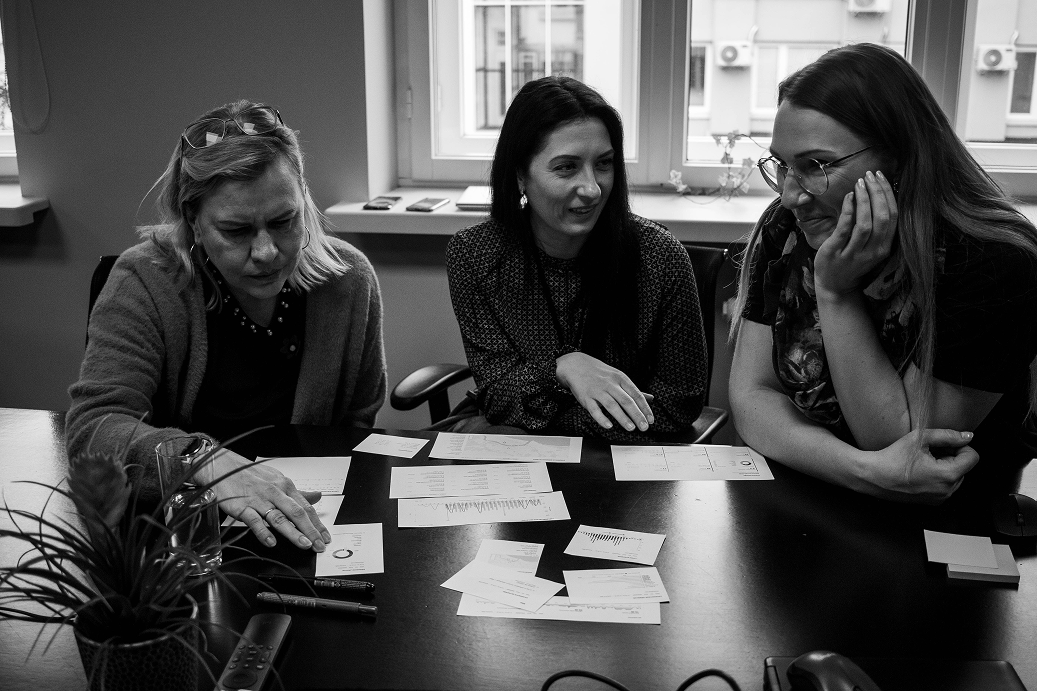
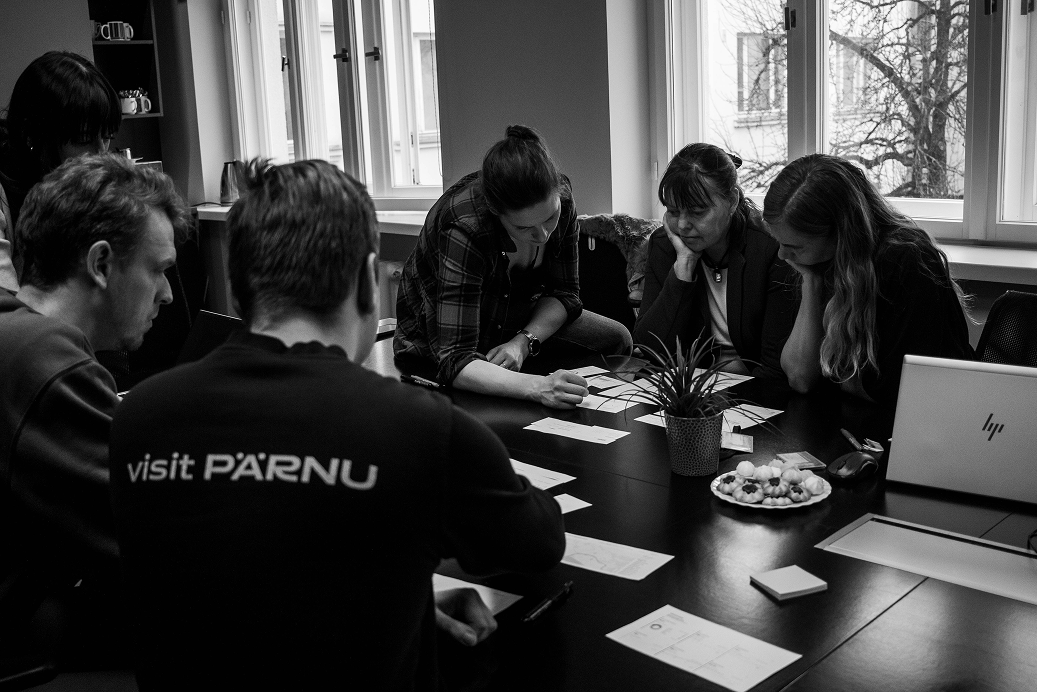
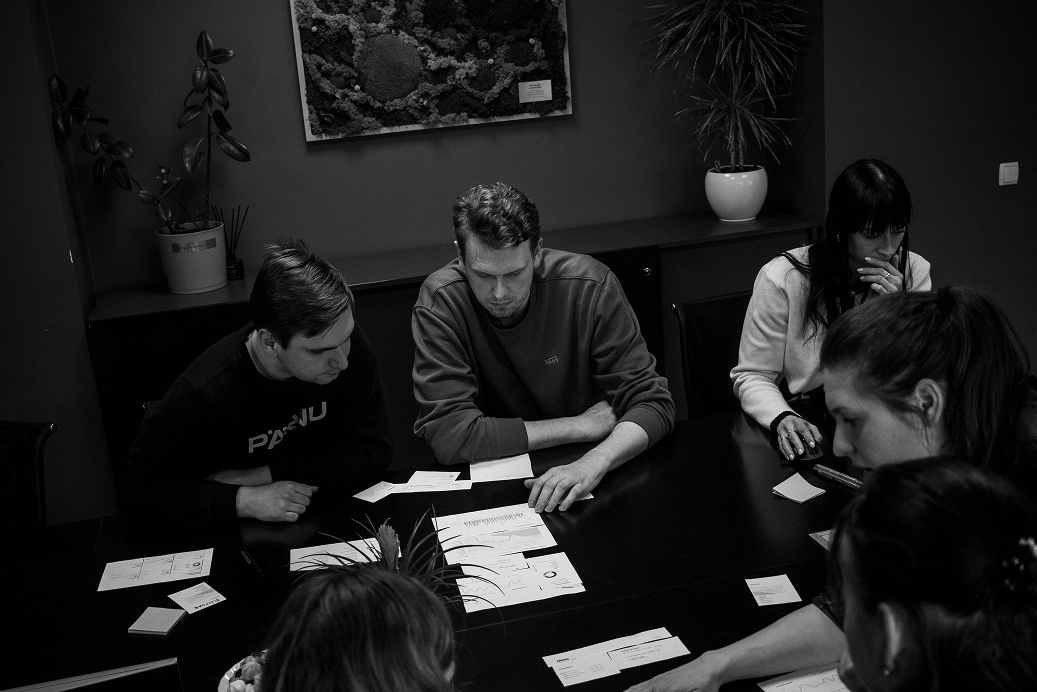
Pärnu is a compact coastal city. To boost micro-mobility and reduce car use, the city is tracking traffic and we ran two workshops (school and city council) to surface needs, attitudes, and barriers to cycling.
Goal to understand bicycle access, riding frequency, trip length, motivations, barriers, confidence, and support.
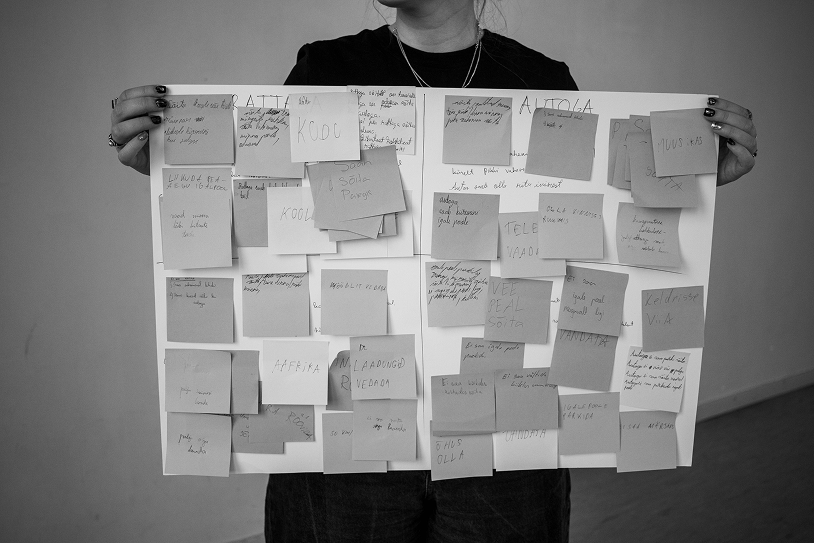
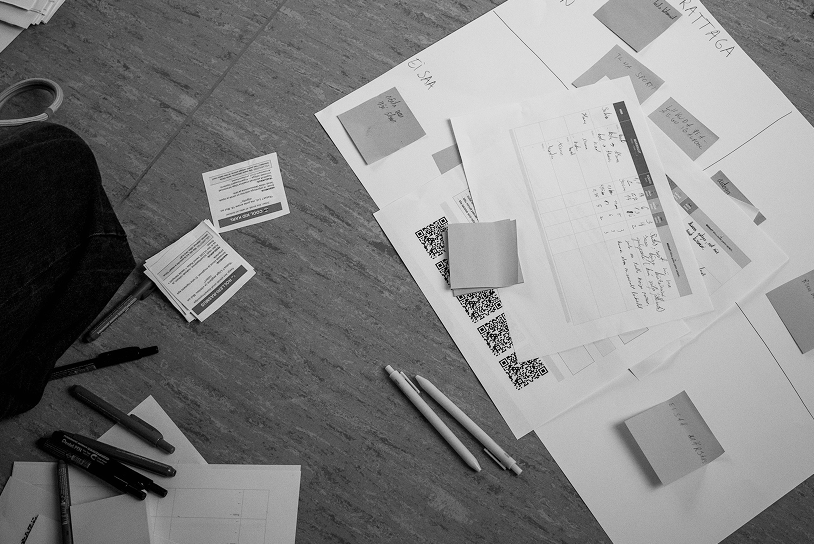
Students perspective
High bike access: ~90% of students own or can borrow a bike.
Frequent cyclists: ~18% ride daily; ~41% ride 2–5 times/week.
Short commutes: ~86% of trips to school are under 20 minutes.
Top motivators: better-maintained roads (69%), riding with friends (62%), safer bike lanes (55%).
Main barriers: weather (37%), poor road surfaces/cobbles (33%), fear of breakdowns (34%).
Safety concerns: traffic/cars (59%) and falling/injury (41%) are major worries.
Confidence: majority feel confident cycling in the city (62% scored 4–5/5).
Social influence: peers and friends strongly affect mode choice; adult support for cycling is very high (89%).
E-bikes: not a strong demand among students compared with adults/council feedback.
“Paremas korras teed (more suitable roads)”
“Sõbraga koos sõitmine (riding with friend)”
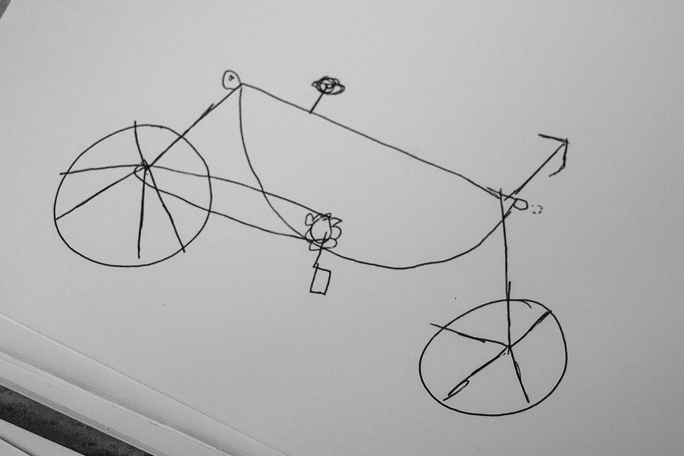
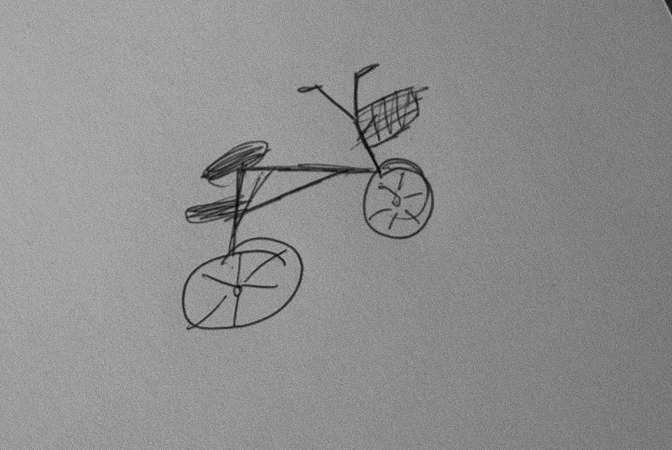
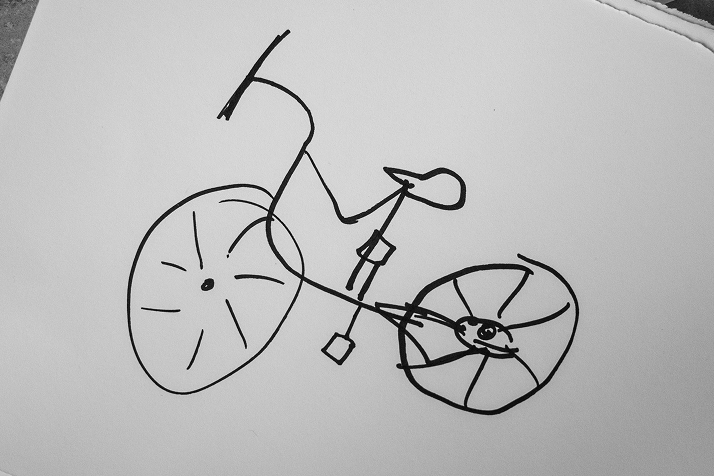
We also ran a quick photo-memory test asking students to draw a bicycle.
The playful, imperfect results were amusing and helped lighten the workshop atmosphere while showing varying levels of practical bicycle knowledge.
City perspective
Cyclist types: sporty riders, families, casual urban cyclists, tourists, everyday residents.
Infrastructure needs: continuous protected lanes, smoother surfaces (no cobbles), lower curbs, wider safety islands.
End-of-trip: secure, covered bike parking at homes, workplaces and public spots.
E-bikes: more charging points and subsidies.
Network: better neighborhood–centre connections and clearer wayfinding.
Practical barriers: basement bike access, few short-term rentals, weak bike+transit integration.
Policy levers: reduce municipal parking and raise parking fees to discourage cars.
Employer incentives: showers, storage, flexible hours, and group-commuting rewards.
Culture & enforcement: campaigns to improve traffic culture and stricter licensing.
Bold options: large covered bike hubs, end car compensation, and targeted street maintenance (e.g., Karja tn).
Pärnu is well-placed for micromobility: high bike ownership, short trips but lacking stronger social support.
Pair quick wins (covered and flexible parking, social programs) with targeted infrastructure to boost cycling and e-mobility, cut car use, and improve liveability.