
Project background
01
The brief: design an assistive tool for any disability — no screens allowed, AI required.
We chose to design for people living with memory loss or early-stage dementia. The goal was something shaped like a memory itself — familiar, tactile. We tested several forms, but wanted a shape that could bridge visual memory (photos) and audio. A cassette player turned out to fit best.
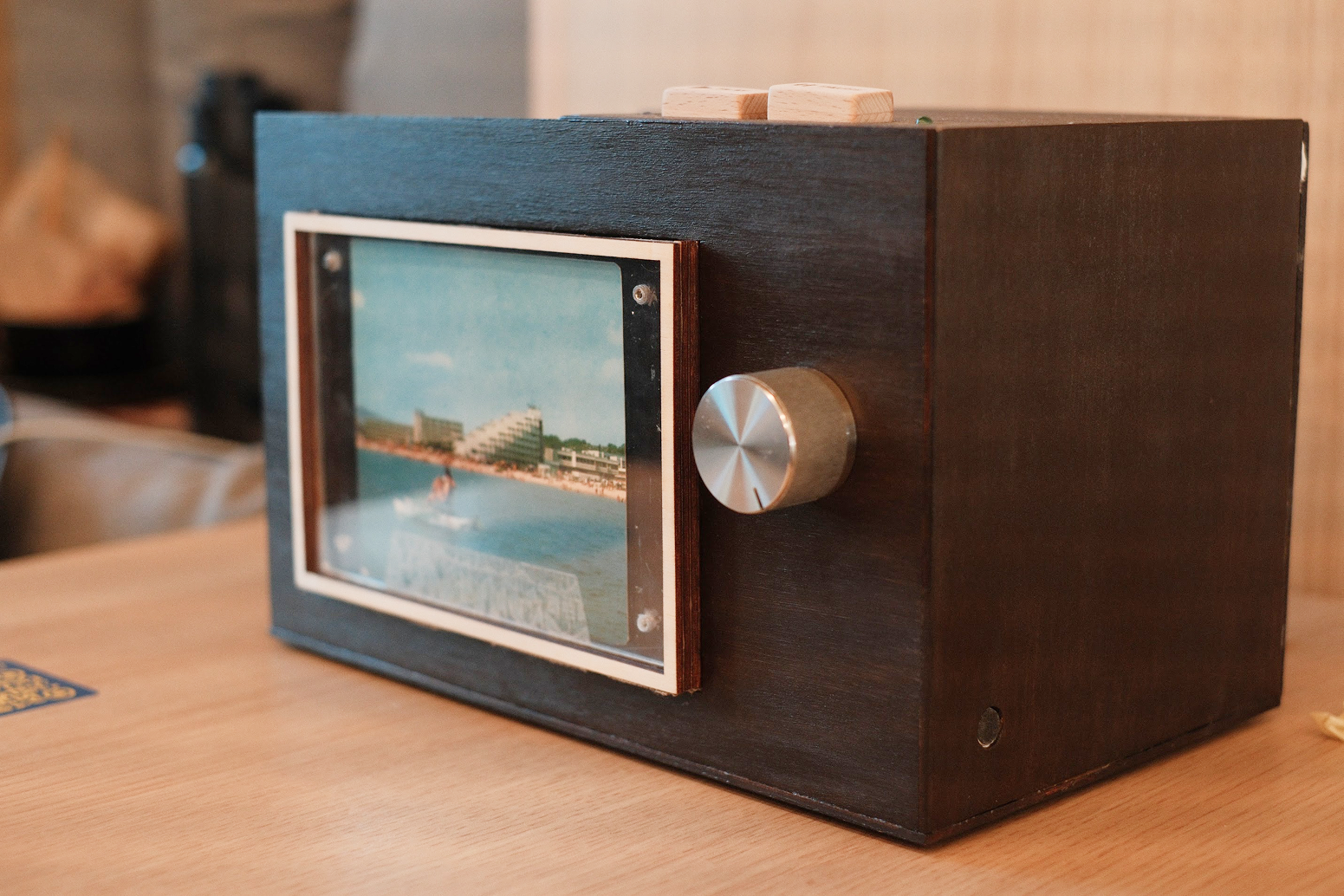
Each cassette holds a photograph and a recorded story, tied to loved ones and meaningful moments. Insert one, and users hear their own voice — cloned and stitched together by AI — reliving the memory through a warm, tactile interaction. The project treats memory not as data to be stored, but as a living relationship between people, stories, and time.
Each cassette holds a photograph and a recorded story, tied to loved ones and meaningful moments. Insert one, and users hear their own voice — cloned and stitched together by AI — reliving the memory through a warm, tactile interaction. The project treats memory not as data to be stored, but as a living relationship between people, stories, and time.
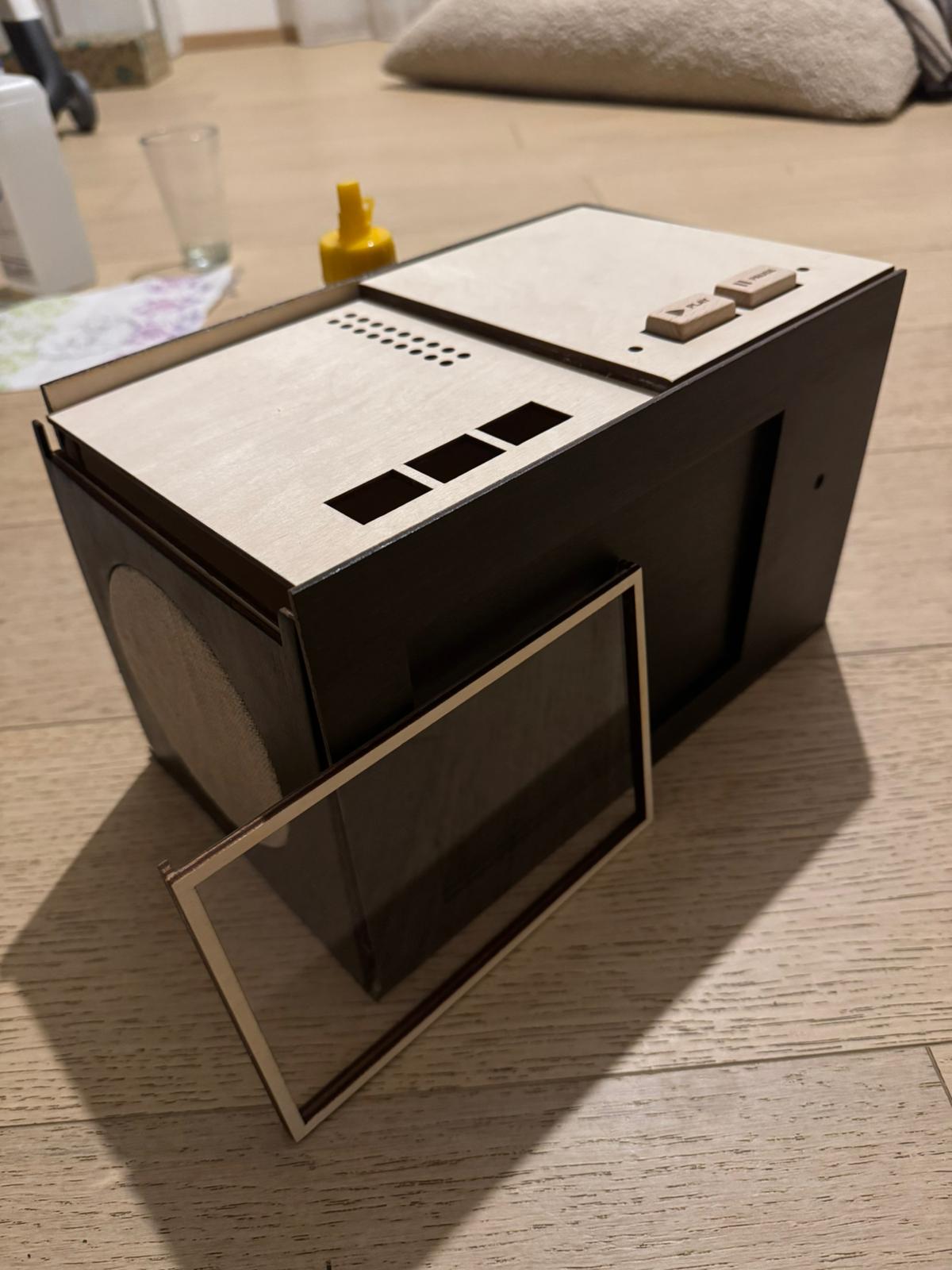
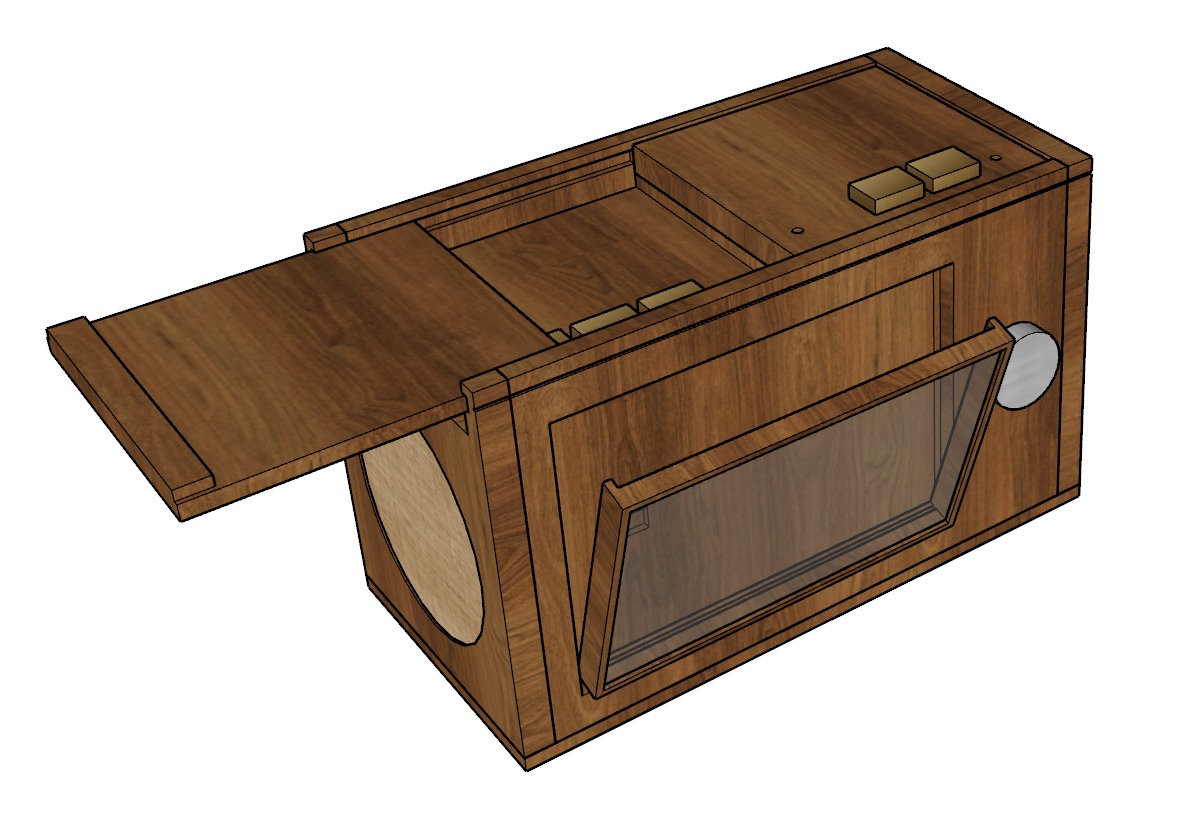
The device has two modes, caregiver mode, where they can edit and record the audio story related to the image.
Second mode is the patient mode, where the recording buttons stay hidden behind the lid — keeping the interface simple, so user with memory difficulties aren't overwhelmed by too many options.
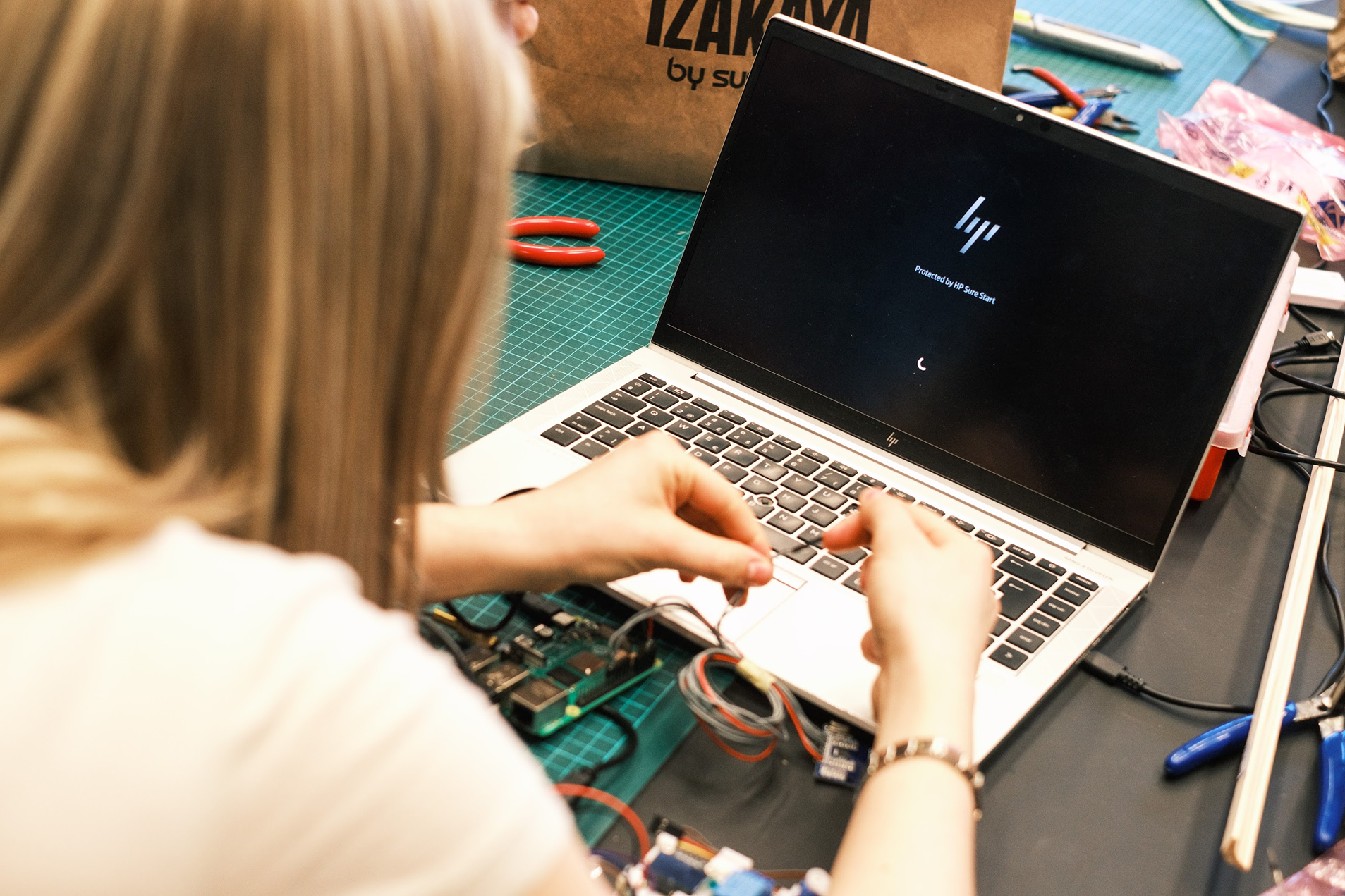
Arduino handled the physical components — buttons, lights, card connectors. A Raspberry Pi ran the voice instructions and managed voice-cloning in the background.

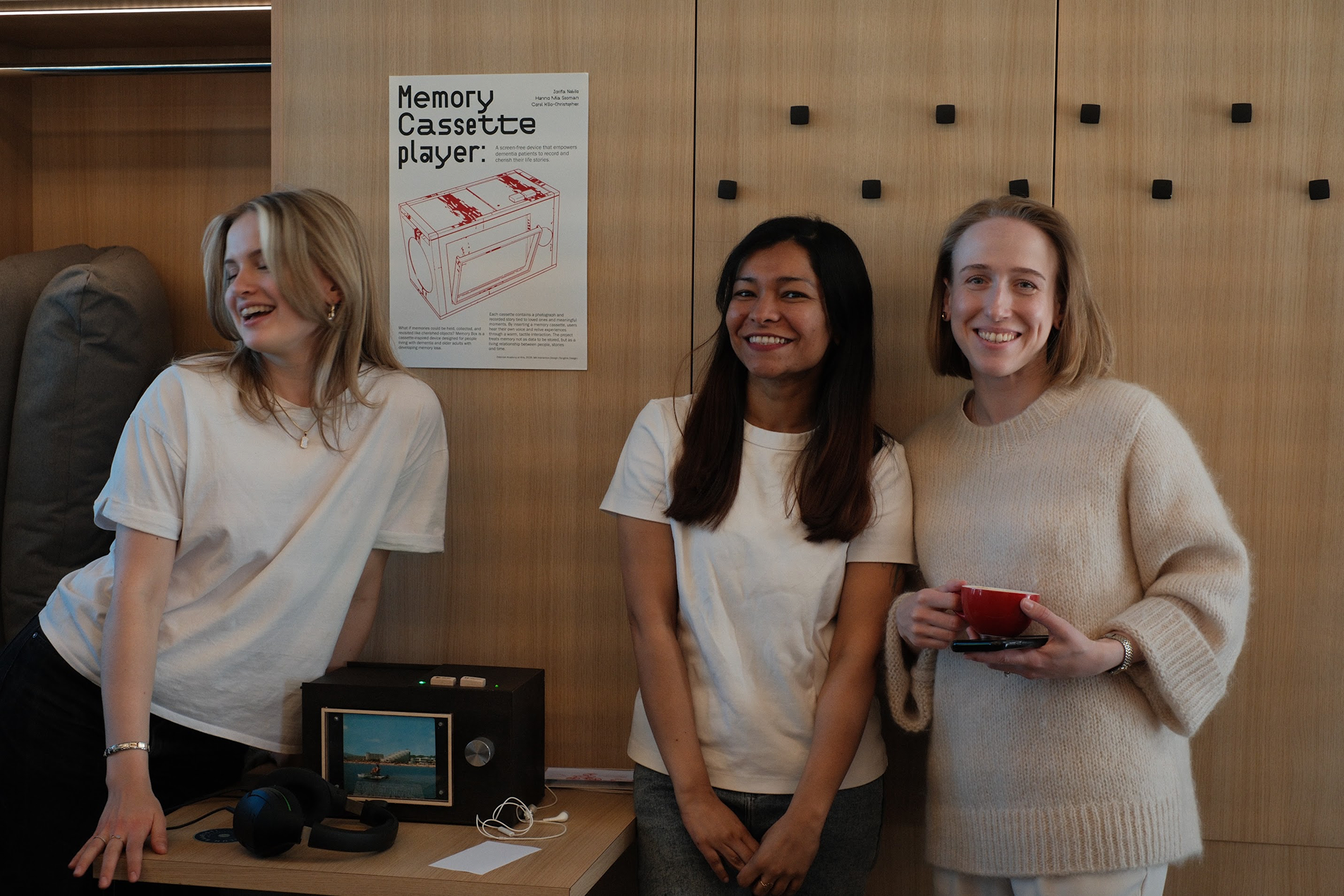
Testing at the expo confirmed it: great design works for everyone. Visitors said they'd love to capture a memory in the moment, then revisit it later — the story and the photo together.

